
Matt Spoke: Conservatives should not outsource renewal to the Ontario Liberals
Doug Ford failed to end the liberal consensus, nor can the Ontario Liberals be expected to dismantle a framework they originally helped establish.


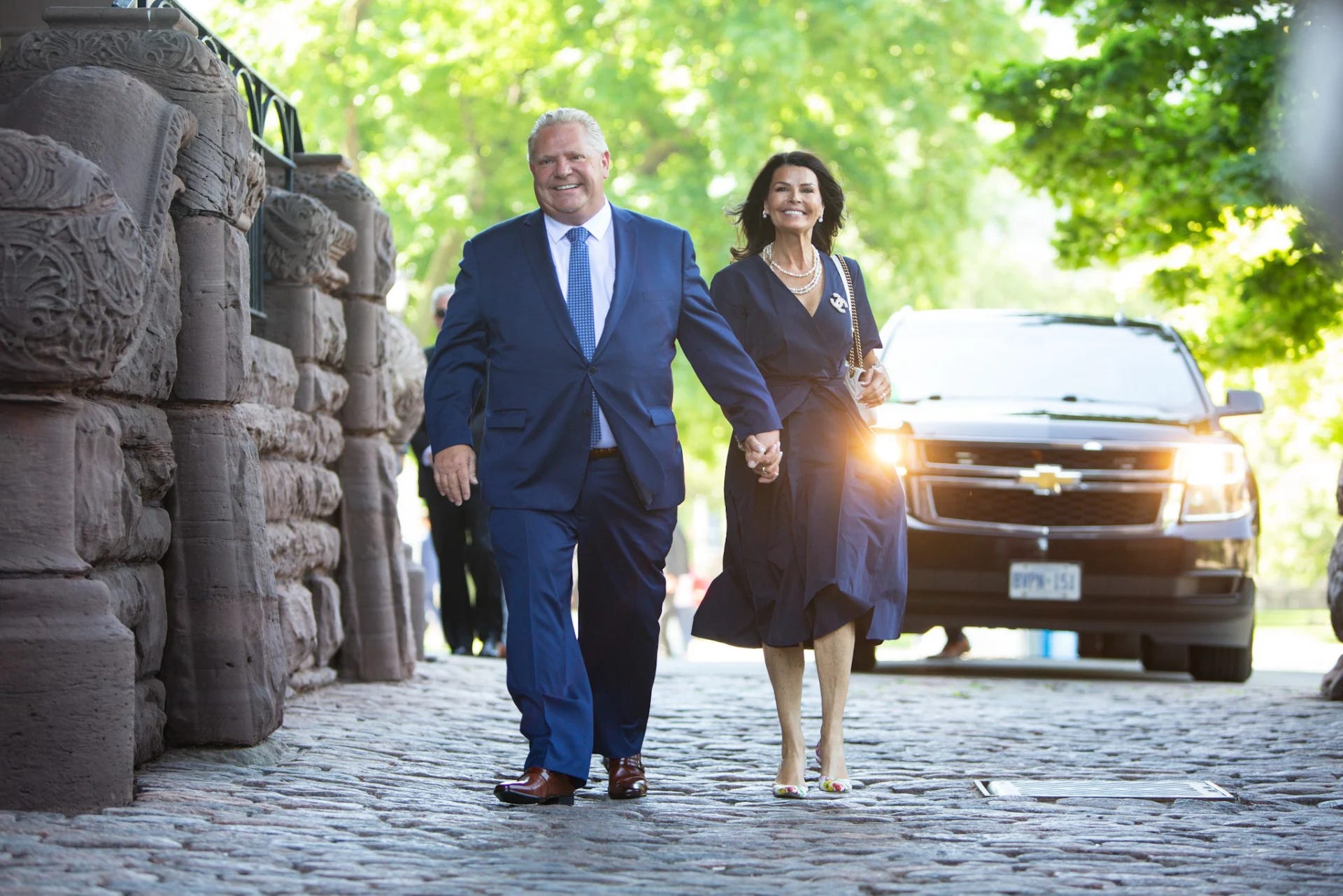
There is an understandable temptation among some Ontario conservatives right now to look outside the Progressive Conservative (PC) Party for political hope.
That temptation is not hard to understand, for the Ford government has been electorally successful, but many conservatives have grown tired of defending a party that often seems to govern without any clear conservative purpose. Too often, it has drifted from first principles on spending, free enterprise, competition, merit, family, public safety, and the proper limits of government. For those who hoped the PC Party would become the vehicle for serious reform after the long Liberal era, the disappointment is real, with the polling numbers to match.
That frustration helps explain why the Ontario Liberal leadership race has started to attract attention from people who would not normally see themselves as Liberals. There are candidates now speaking more seriously about housing, growth, public safety, institutional renewal, generational opportunity, and the need to restore trust in government. Much of that conversation is welcome, and conservatives should not be so partisan that they refuse to acknowledge good ideas when they hear them from outside their own party.
Adam Zivo: Could Eric Lombardi be the solution to Ontario's Doug Ford problem?

When housing activist Eric Lombardi entered the Ontario Liberal Party (OLP) leadership race this week, many conservatives throughout the province were thrilled. The 32-year-old political outsider is popular among moderates for his pragmatic centrism, and could find himself uniquely qualified to build a cross-partisan coalition that can topple the Ford g…
But there is an important distinction between a leadership campaign that says some true things and a party that is capable of governing according to those truths.
Leaders are just one part of politics. There are also political parties, caucuses, candidates, staff, activists, donors, policy networks, advocacy groups, and the broader culture that surrounds a government. Far from governing in isolation, a premier exists in a political ecosystem that shapes which ideas are treated as serious, which compromises are considered acceptable, which groups are given privileged access, and which fights are avoided once they become uncomfortable.
This is why conservatives should be cautious about treating the Ontario Liberal Party as a plausible vehicle for conservative reform simply because a leadership race has produced some better language than we have come to expect from that party.
The deeper problem with the Ontario Liberal Party is that modern Liberal parties tend to be built around flexibility more than conviction. Liberals are pragmatic, moderate, allergic to ideology, and willing to move with the times. There are moments when that temperament can be useful, and Mark Carney exemplifies this. But that also means that Liberal parties are very good at borrowing the language of more principled movements without necessarily absorbing the principles behind that language.
While that can win elections, it rarely produces durable reform.