
Geoffrey Moyse: Proven Aboriginal title trumps private property
Even if B.C. Premier David Eby suspends parts of DRIPA, "every way you look at this, you lose."


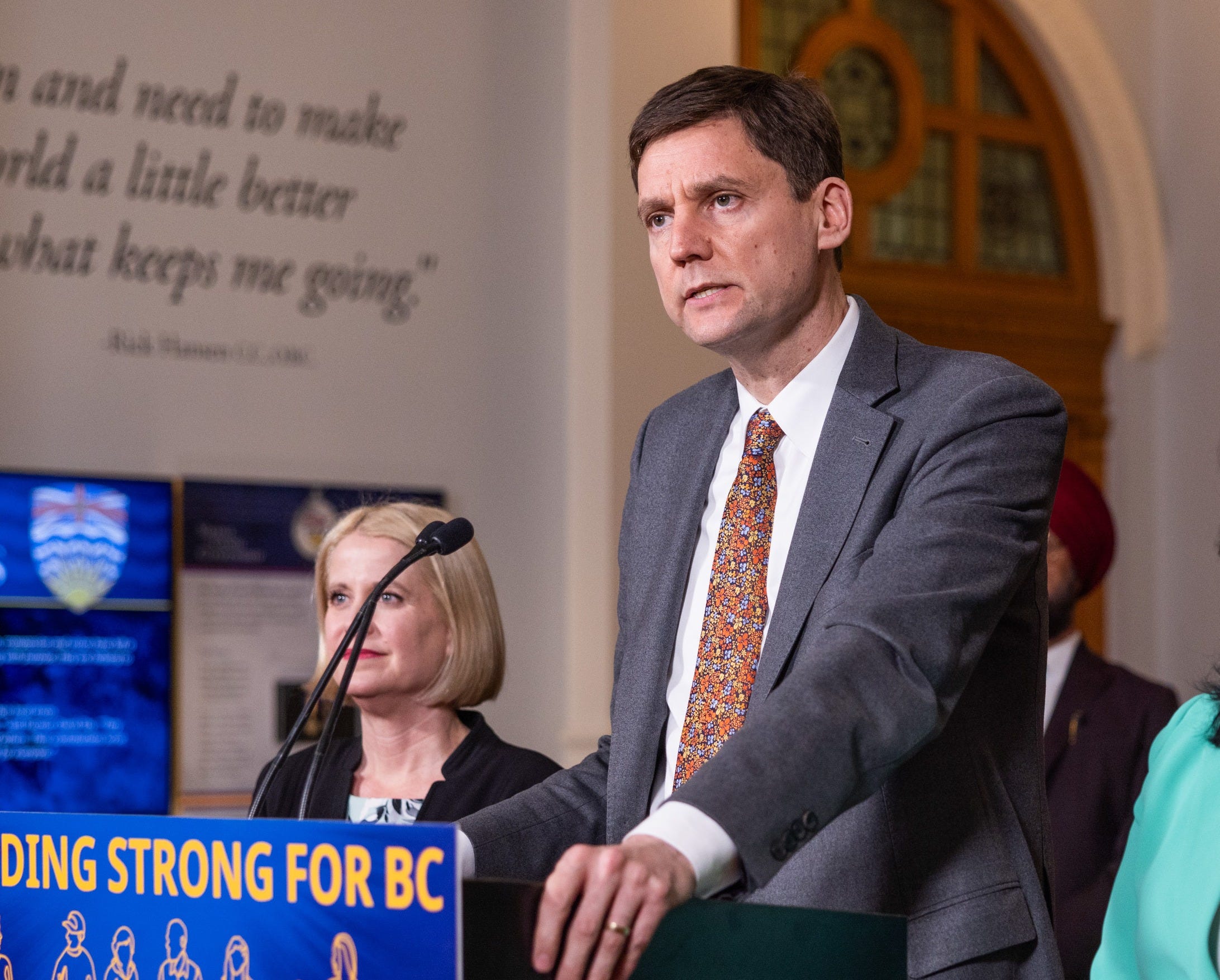
The B.C. NDP’s planned “land back” and massive wealth transfer “reconciliation” revolution for British Columbia carries on undiminished in fervour and intent, no matter what Premier David Eby says about suspending parts of DRIPA, as he mused about yesterday.
As if that continuing secret assault by the provincial government were not enough for B.C. private landowners to have to contend with, one Canadian court has decided that a proper interpretation of section 35 of the Constitution leads to Aboriginal title being a “senior” interest in land that can trump, and even displace, privately held fee simple titles.
British Columbians, and other Canadians, have been stunned to learn, as a result of the B.C. Supreme Court decision in Cowichan Tribes v. British Columbia, that historical claims of exclusive rights to the ownership of land by Aboriginal communities can now effectively undermine any private land interest created by the province that is found to exist over those same lands.
This is not “made up” law, and it is not a result of DRIPA, the province’s Declaration on the Rights of Indigenous Peoples Act, which has been receiving a great deal of warranted negative attention in the press and soon will be receiving attention in the B.C. legislature.
Rather, the decision in Cowichan Tribes is the latest outcome of a logical progression of legal precedents stemming from the interpretations of section 35 of Canada’s Constitution Act, 1982, by the Supreme Court of Canada as far back as 1997.