
Nolan Toscano: Pierre Poilievre and the discipline of peace
Canada cannot function as a collection of rival tribes importing old conflicts into our shared civic space.


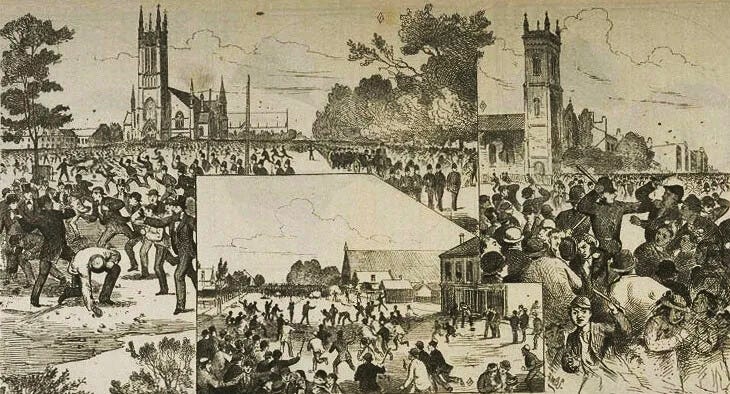
In his convention speech last month, Pierre Poilievre pointed to a familiar Canadian story: the inter-Irish conflicts in Canada of the 19th and 20th centuries (though, of course, tracing back further) between Catholics and Protestants, which spilled over from the old country, and once in Canada, they learned to live together.
Poilievre’s example was sound and worth invoking, but the saga of this struggle in Canada warrants greater scrutiny, as the wisdom it offers our nation today is worth taking to heart as we grapple with similar issues and differentiate between nativism, solidarity, and civic nationalism.
The simple truth we can agree on is that a country cannot function as a collection of rival tribes importing old conflicts into our shared civic space, and we are certainly inundated with imported conflicts.
If history is going to illuminate us, however, it deserves to be told plainly. Catholics and Protestants did not arrive in Canada reconciled. They carried their grievances, and for decades, those grievances surfaced in public life.